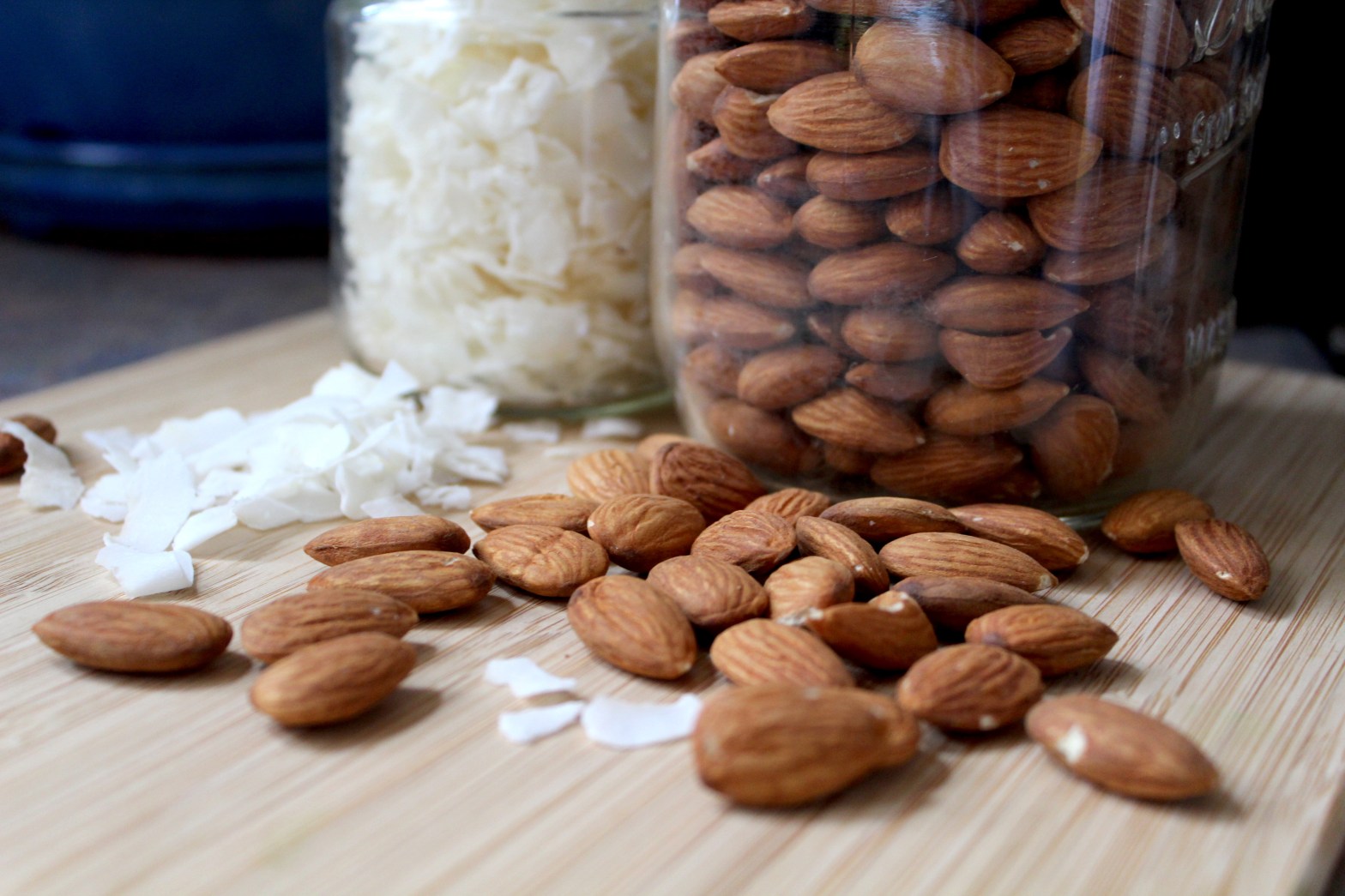
I started drinking alternative milks before I even became lactose intolerant. I fell in love with the gentle nuttiness in almond milk, the filling creaminess of soy milk, and the hint of sweetness in coconut milk. Admittedly, this phase started when I decided that I wanted to eat “healthy” and when I believed most of the various nutrition information I read online. I soaked in all of the Internet’s insights like a sponge—but only those that confirmed by point of view: Almond milk also strengthens bones! Plant-based milk is easier to digest! Cow milk is meant for fattening baby cows—not humans! While I do not know whether these claims are true or false, I do know that if I did some deep research on Google Scholar, perhaps I’d find some sort of answers to placate myself. I also know that even with deep research, I am still a cynical skeptic and I am fully convinced that no one actually knows anything about nutrition (or people don’t want the general public to know … wow, I sound wacky). I’d need to do the actual, full-blown, PhD-level research myself. And if I did that, how could I keep up this blog?
Yes, you may find me typing health benefits of __________ into Google every once in a while; I like to stay current on what the trendy websites are saying! But 90% of what I eat and drink now is based on how it makes me feel. I pay attention to my body. If I am in pain or I feel sick after eating something, I don’t eat it. If I feel energized and happy after I eat something, I eat more of it! And, as it happens, most of the foods that make me feel energized and happy are whole foods that a preservative free.
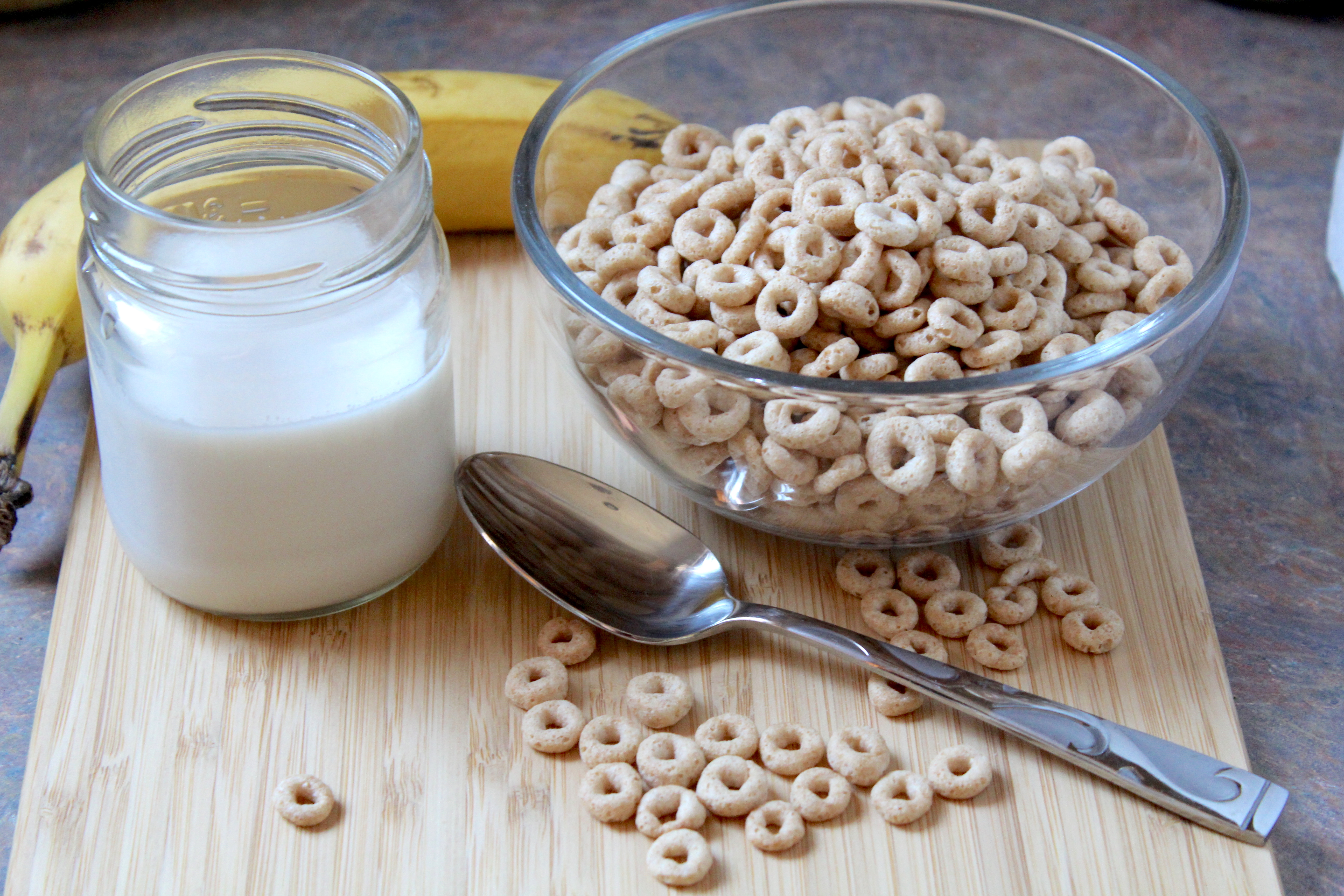
That brings me to my coconut almond milk. Last year around this time, I read a protein bar wrapper that had something along the lines of “ingredients you can read!” on it. So I took it upon myself to read all of ingredients of products that I ate daily. All I can say is this: Yikes. My almond milk, which I was drinking copious amounts of, had things like locust bean gum, gellan gum, ascorbic acid, sunflower lecithin, magnesium phosphate, tricalcium phosphate, and D-Alpha Tocopherol. I had to look up most of those add-ins to figure out what they were. Now, I know, I’m sure these ingredients have very specific purposes such as enriching the milk or making the milk thicker. Well, I just don’t need to be enriched or thickened, thank you very much. I need a simple almond milk recipe that I can use on a daily basis and feel good about.
Now, does that mean I never buy store-bought alternative milks? No! I generally have a couple boxes of almond milk in my pantry in case I run out of what I made or I just don’t feel like making the milk that week. It just feels good to make my own product and to know that I am cutting down on any unnecessary additives in something that I drink almost every day.
This recipe is a copycat of my favorite coconut almond beverage. As in many of my recipes, I encourage you to add your own spin to it. Want a hint of sweetness? Add a couple teaspoons of agave or sugar. Need some vanilla flavor? Add a 1/2 teaspoon of vanilla extract. Like the coconut more than the almond? Use 1 cup of coconut and a 1/2 cup of almonds instead. The choice is all yours and you should feel free to experiment! All you need is to be able to answer this question: Do you like what you are putting into your body?
Four-Ingredient Coconut Almond Milk

Servings: 4
Time: 10 minutes (after prepped)
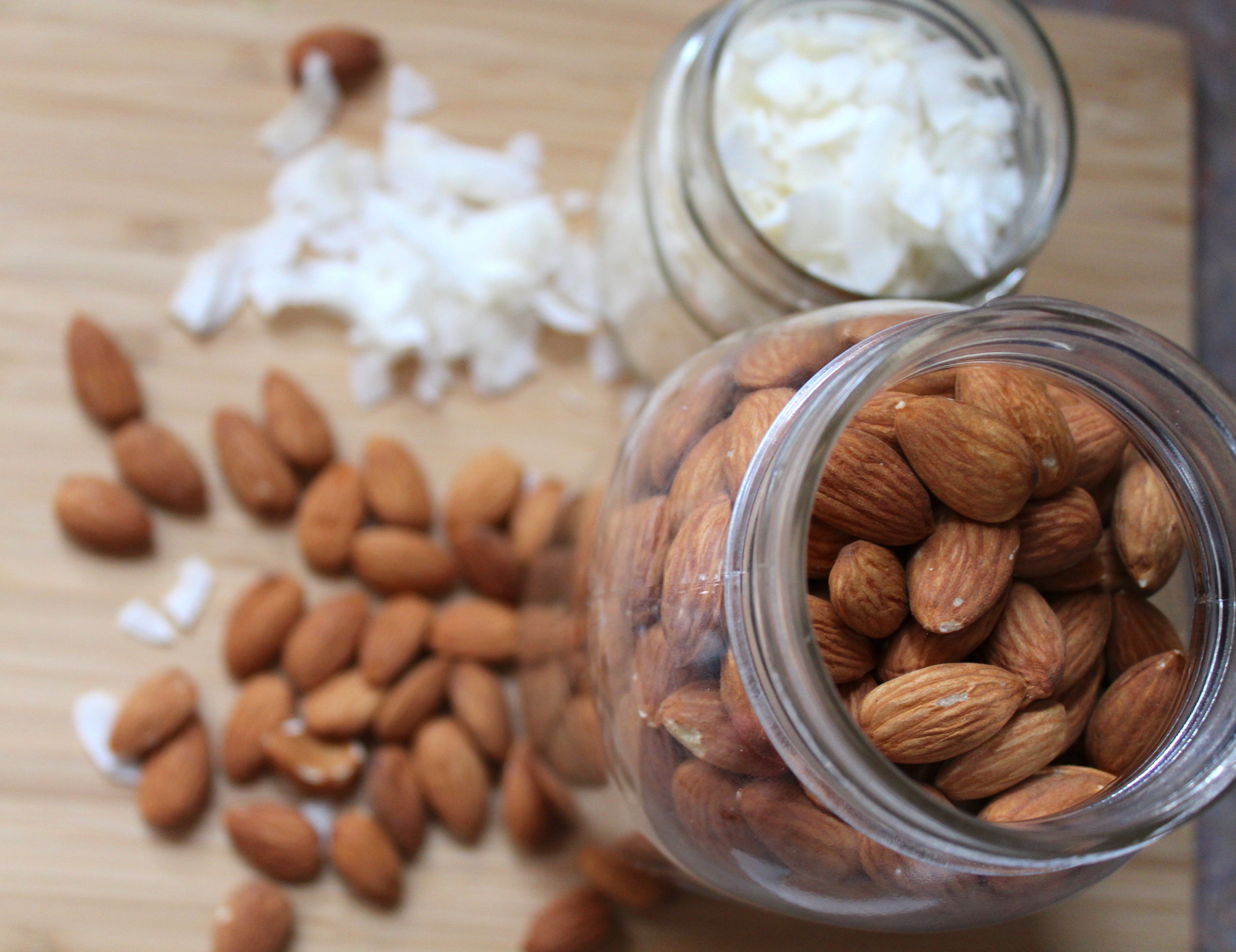
1 cup Raw Almonds
1/2 cup Unsweetened Dried Coconut (chunks, shaved, or shreds will work)
1/16 teaspoon Salt (aka 1 pinch)
7 cups Filtered Water (divided)
*Let the experimentation begin! Try this recipe with hazelnuts, cashews, or mixed nuts.
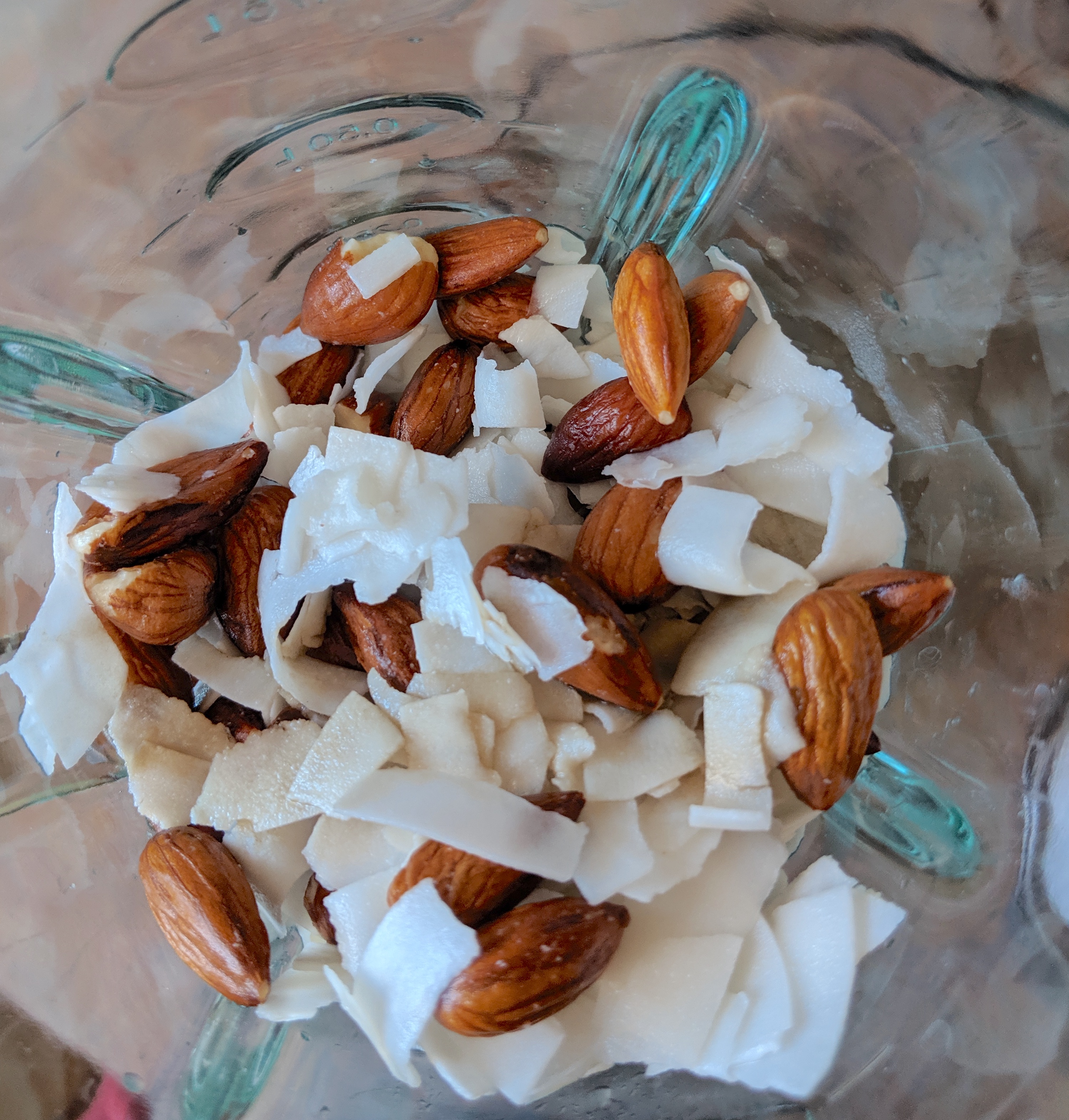
- Prep: Measure out your almonds and coconut into your storage container of choice (I use a 1-liter Mason jar). Fill the container with filtered water until the contents are covered (about 3 cups of water). Leave this covered in your refrigerator for 4-8 hours to allow the almonds and coconut to soften.
- Strain your softened almonds and coconut and dump the contents into a blender. Add your pinch of salt, then pour in 4 cups of filtered water. Snap that top on your blender and get to blending!
- Use the puree, smoothie, or blend setting on your blender and let it go for 1 minute. There will be some froth on the top of the liquid and tiny specks of golden brown almond throughout the mixture when finished.
- Wash your hands!
- In a medium-sized bowl open a fine mesh cheesecloth bag and hold upright with one hand. With the other hand, slowly pour your coconut almond mixture into the bag.
- Lift the bag a few inches above the bottom of the bowl and squeeze! Squeeze, squeeze, squeeze until your fingers get tired and liquid is no longer coming from the coconut almond ball.
- Pour your coconut almond milk into your storage container and keep in the refrigerator for up to 5 days!
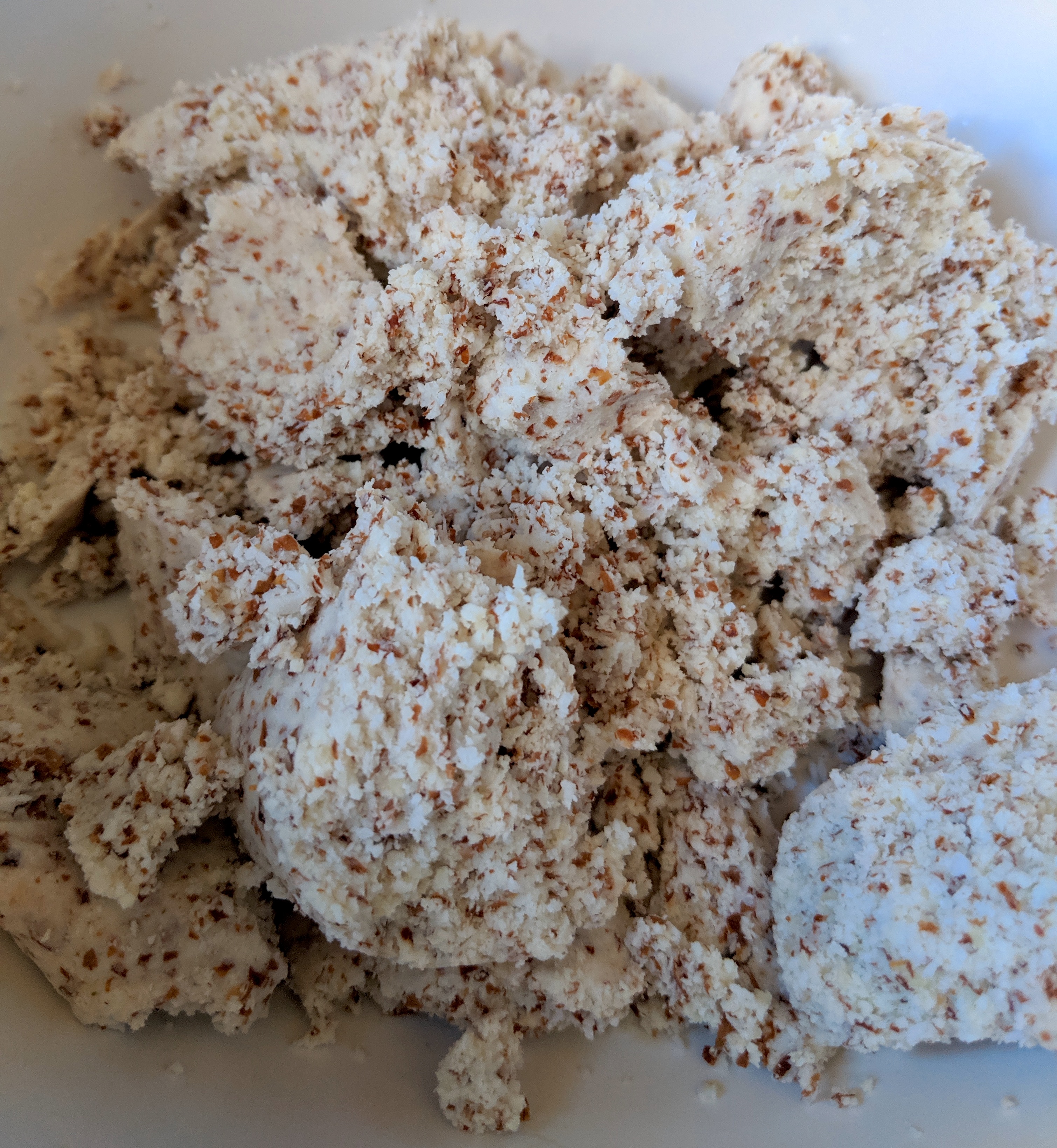
*Use the leftover coconut almond pulp in recipes that call for almond meal (I usually freeze it), compost it, or just toss it!
 Unrestricted
Bet it tastes better than store-bought too!
LikeLike